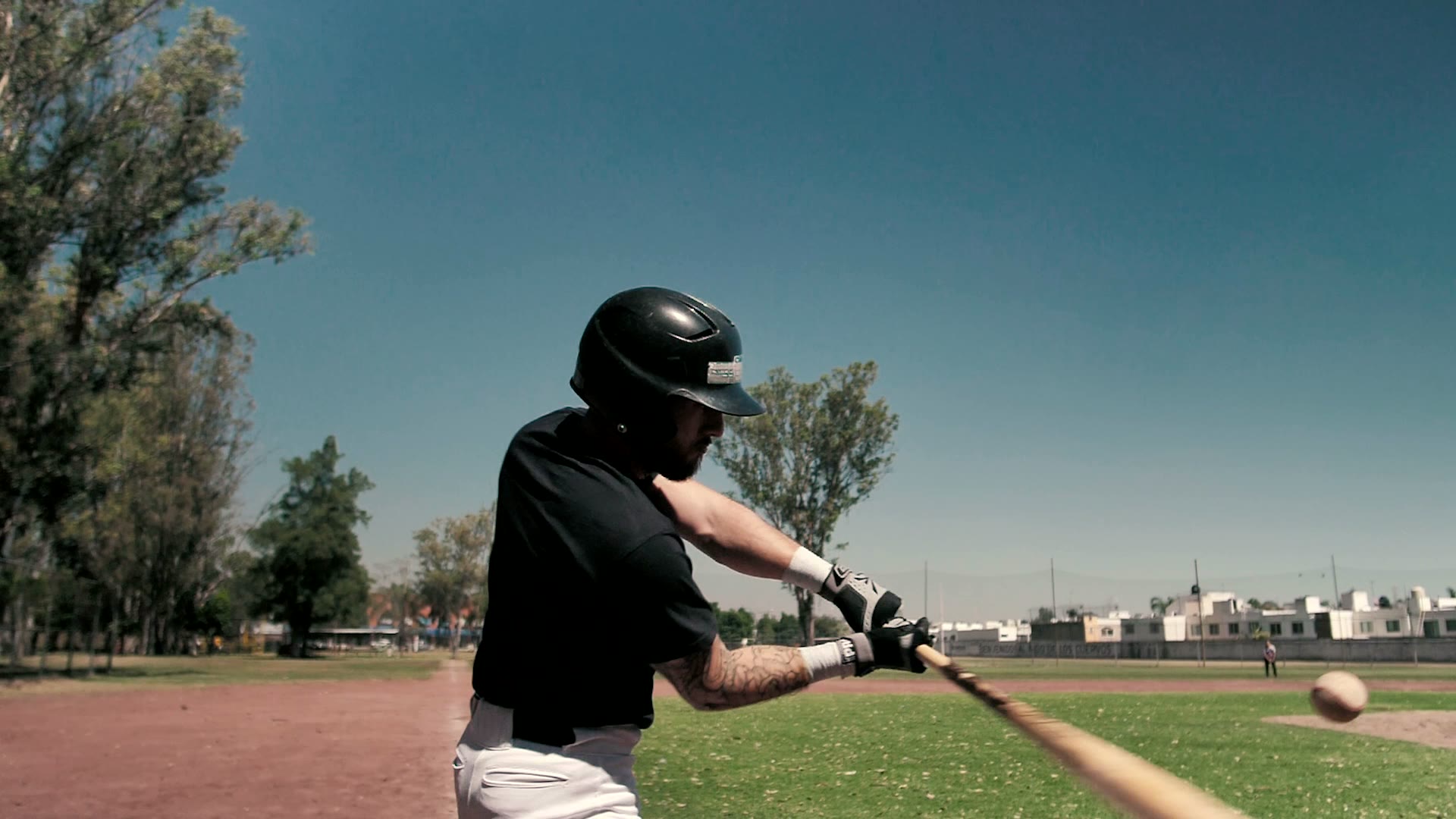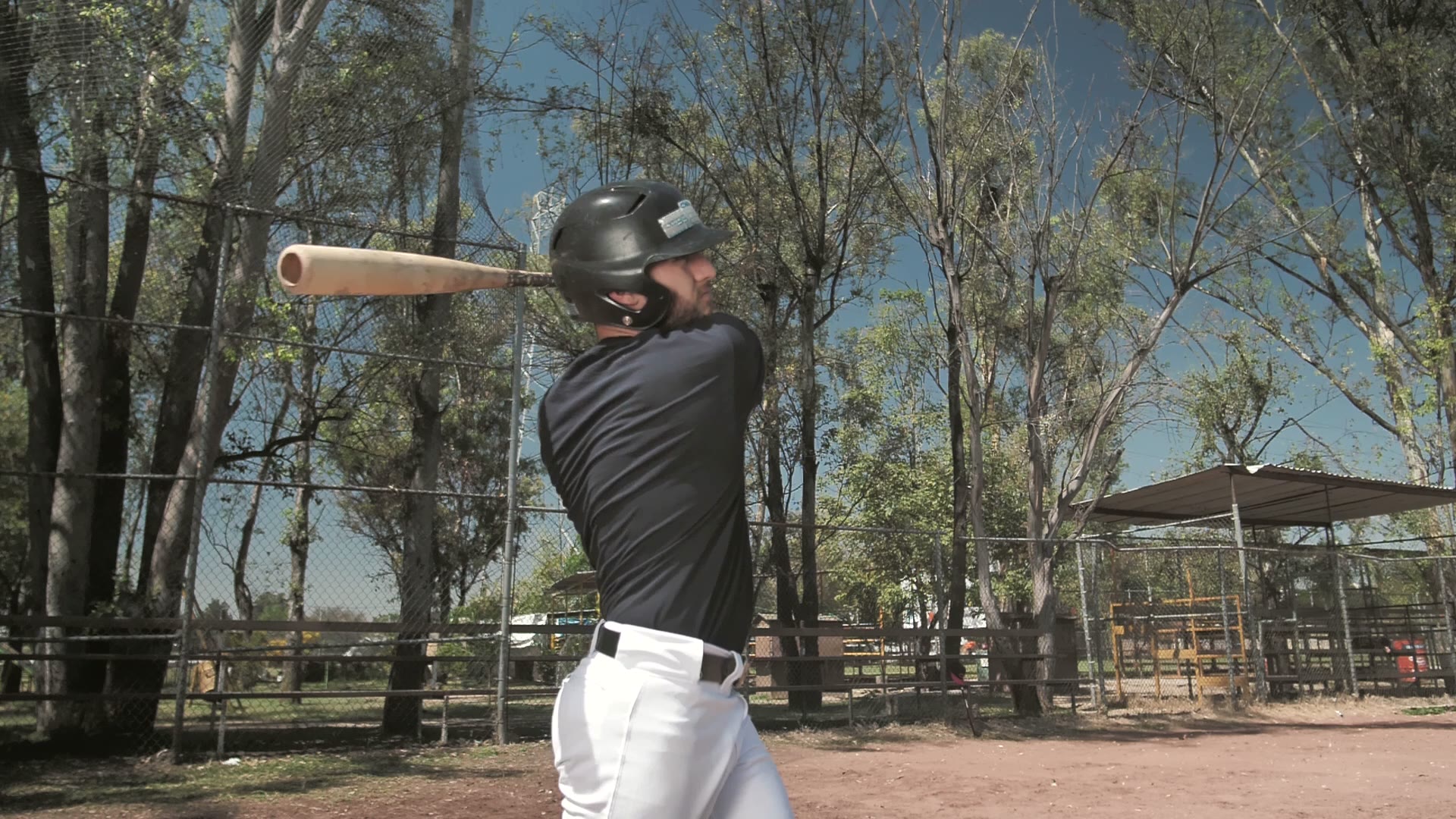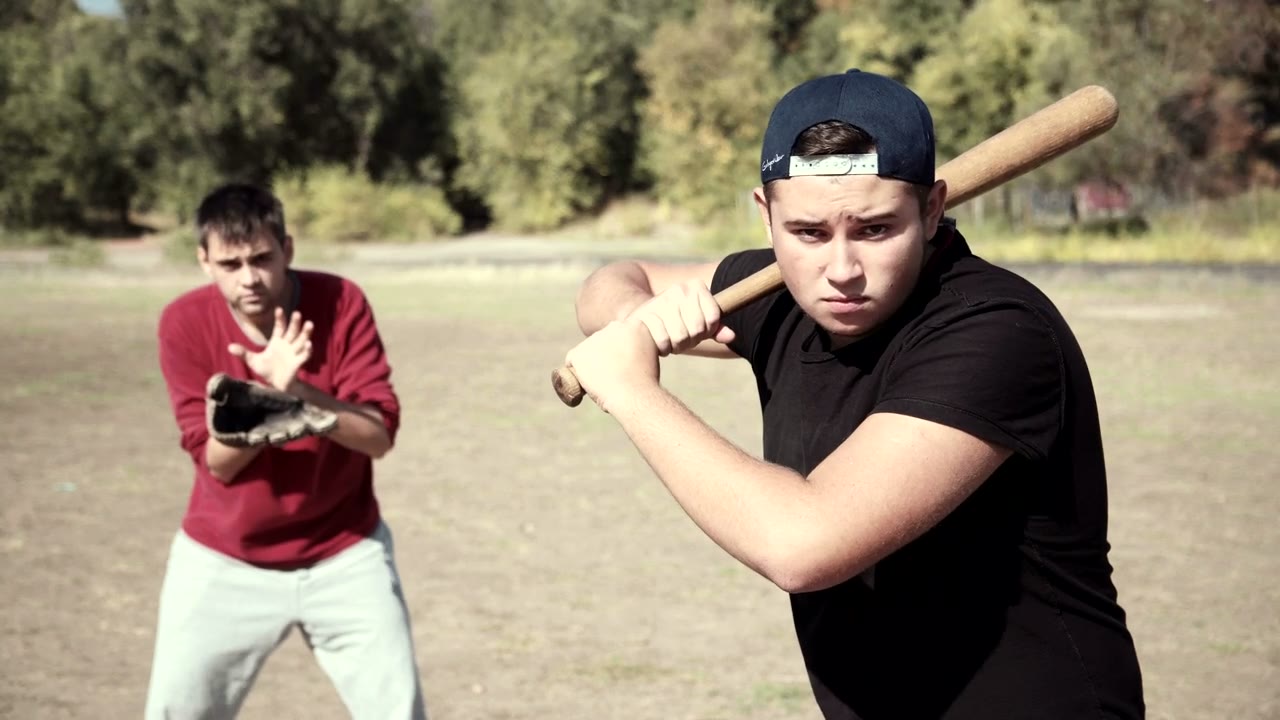

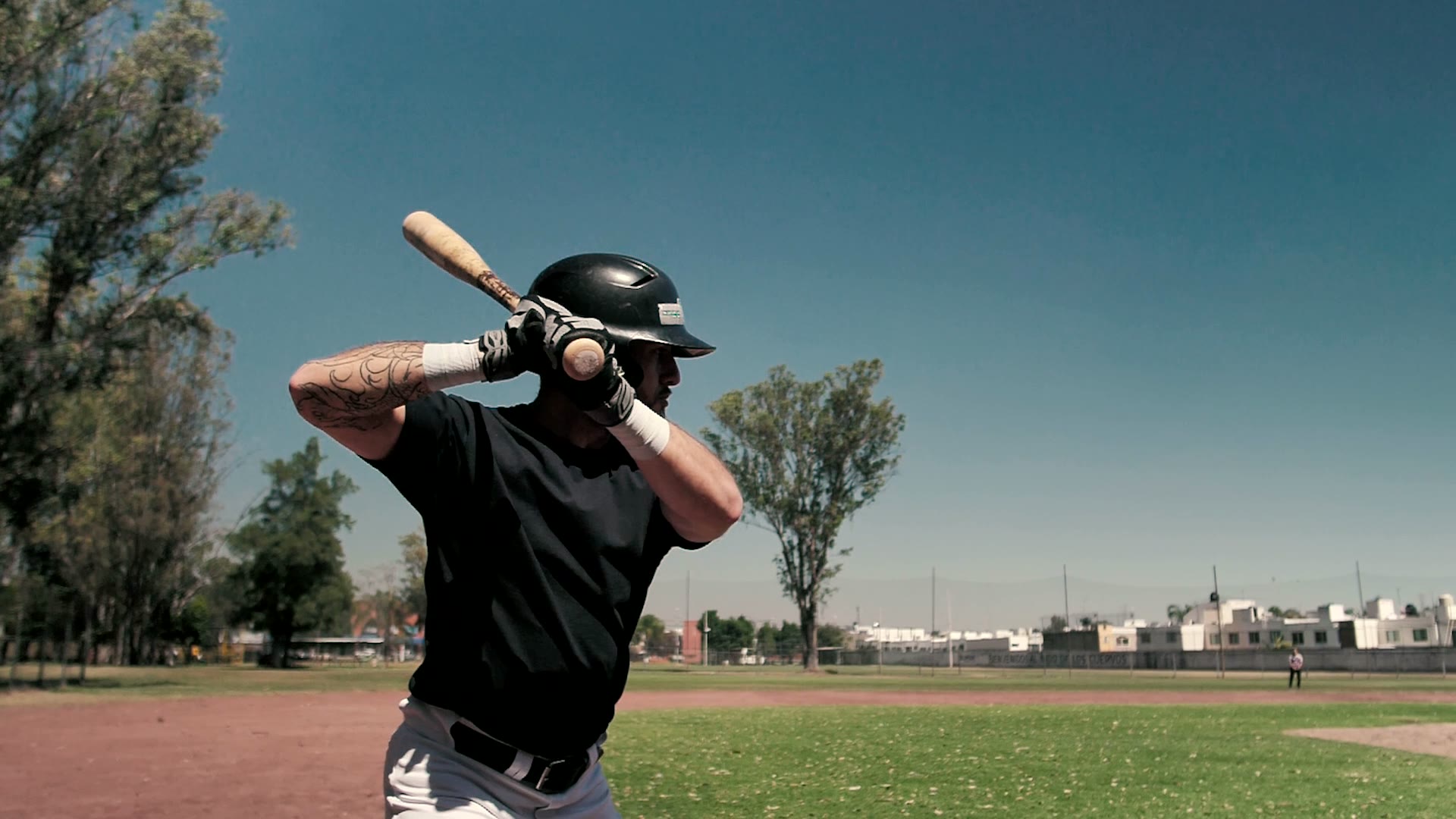
To stop being afraid of the ball at the plate, a hitter needs three things: a safe way to handle an inside pitch, an approach that keeps the eyes on the ball, and gradual practice against faster pitches. Fear fades with repetition and confidence, not by being told to “just stay in there.”
It is one of the most common problems we see in baseball hitting lessons, especially with younger players. It is normal, and it is fixable. One family shared that their 12-year-old went from freezing at the plate to hitting his first home run.
Signs a hitter is afraid of the ball
- Stepping in the bucket: the front foot strides away from the plate, toward the dugout.
- Bailing out: the head and shoulders pull off before the ball arrives.
- Freezing: the hitter watches hittable strikes go by without swinging.
- Late, defensive swings: the hitter waits too long and just pokes at the ball.
- Tension: a tight grip, raised shoulders and a stiff stance.
Many of these look like mechanical problems, but the root cause is fear. Fixing the stride without addressing the fear rarely sticks.
Why hitters get scared
Usually a hitter has been hit by a pitch, or has seen a teammate get hit. Sometimes the jump to faster pitching or a new level is enough. Younger players also face pitchers who are still learning control, so wild pitches are part of the game.
The goal is not to pretend the ball cannot hurt. It is to give the hitter the skills and experience to feel in control.
Step 1: learn how to get hit safely
Hitters who know how to protect themselves feel less panic. Teach the safe turn: when a pitch is coming at the body, turn the front shoulder in and tuck the chin, so the ball hits the back or backside instead of the face or hands. Practice this slowly with soft balls until it becomes automatic.
Make sure the helmet fits properly, and consider a face guard for younger players. Good equipment builds trust.
Step 2: build confidence with soft balls and soft toss
- Tennis or foam balls: soft front toss from a short distance. The hitter learns that being hit by one is no big deal.
- Track the ball: call out a color or number marked on the ball, or say “now” when it hits the bat. This keeps the eyes on the ball instead of the thrower.
- Stride toward the pitcher: place a bat or line on the ground to guide the front foot straight ahead.
- Increase speed gradually: move from soft balls to real baseballs or softballs, and from front toss to a machine or live pitching, only when the hitter is ready.
Our list of hitting drills you can do at home or off a tee has more ideas for building reps between lessons.
Step 3: give the hitter a plan in the box
Fear grows when the mind has nothing to focus on. A simple plan helps: pick up the ball out of the pitcher’s hand, get the front foot down on time, and look for a good pitch to hit. Coach Cinz calls timing the key element of hitting, and a hitter who is on time feels far less rushed.
If a nervous hitter also has a long, slow swing, the pressure feels even worse. See how to fix a long swing and timing problems for help with that.
Step 4: work on the mental game
Coach Cinz develops more than mechanics. He also works on confidence, mindset and consistency. For a fearful hitter, that means:
- Celebrating good at-bats, not just hits. A hard foul ball or a well-earned walk is progress.
- Using a routine before every pitch: a breath, a look at the coach, a reset of the grip.
- Keeping practice positive. Parents often tell us he is patient with kids who learn differently.
What parents can do
Avoid shouting “don’t be scared” from the stands. Instead, praise effort and small wins. Play catch often, since tracking the ball in the backyard builds comfort. If a hitter has been hit and has pain that does not go away, see a doctor or athletic trainer before returning to play.
Get help from a hitting coach
Fear of the ball is easier to fix with a coach who can spot it early. Private lessons let Coach Cinz rebuild confidence one step at a time, at the hitter’s pace. Start with the free Benchmark Process, or learn more about our hitting lessons in Naperville and the western suburbs.