
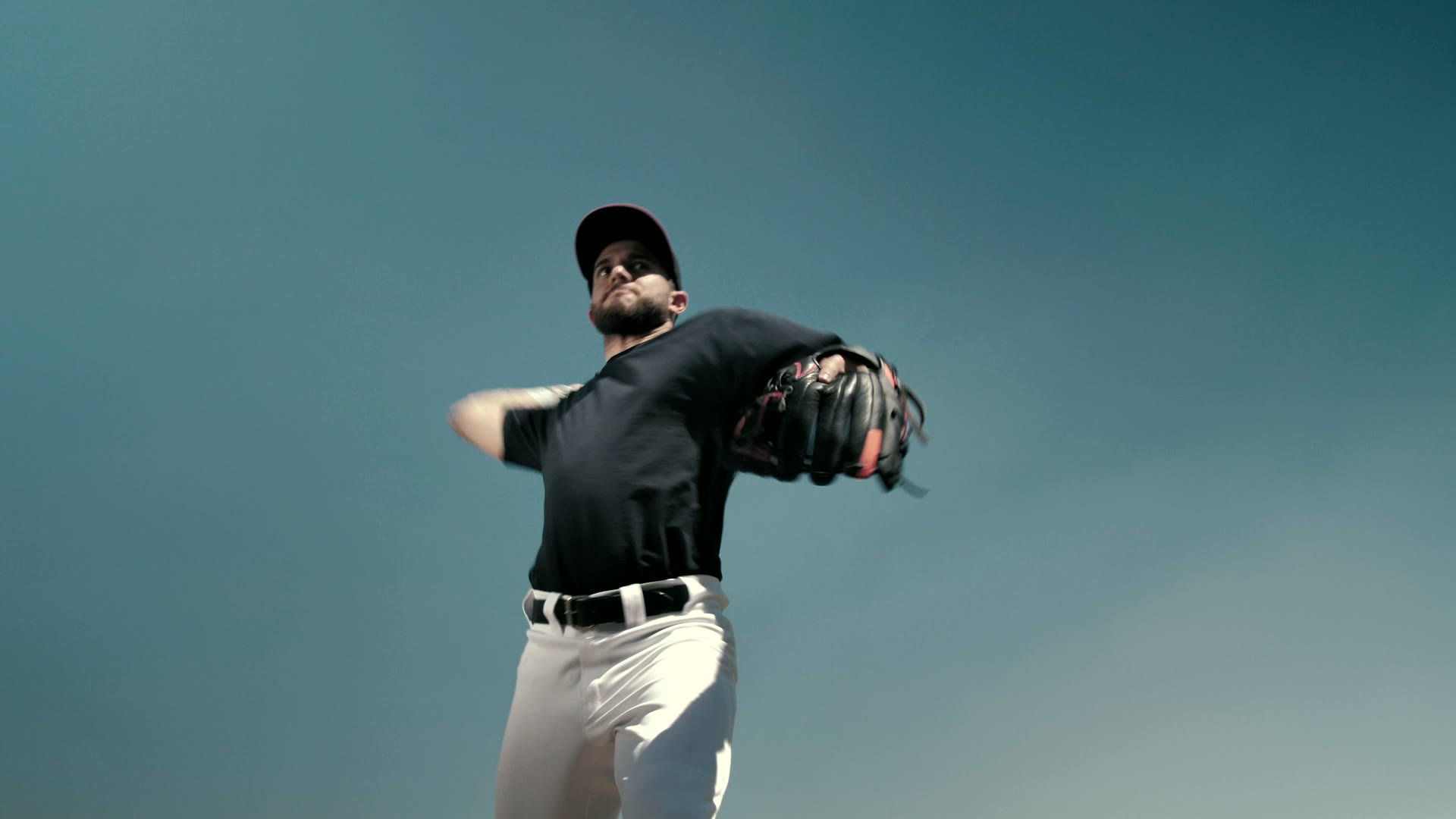
What do baseball pitching lessons cover?
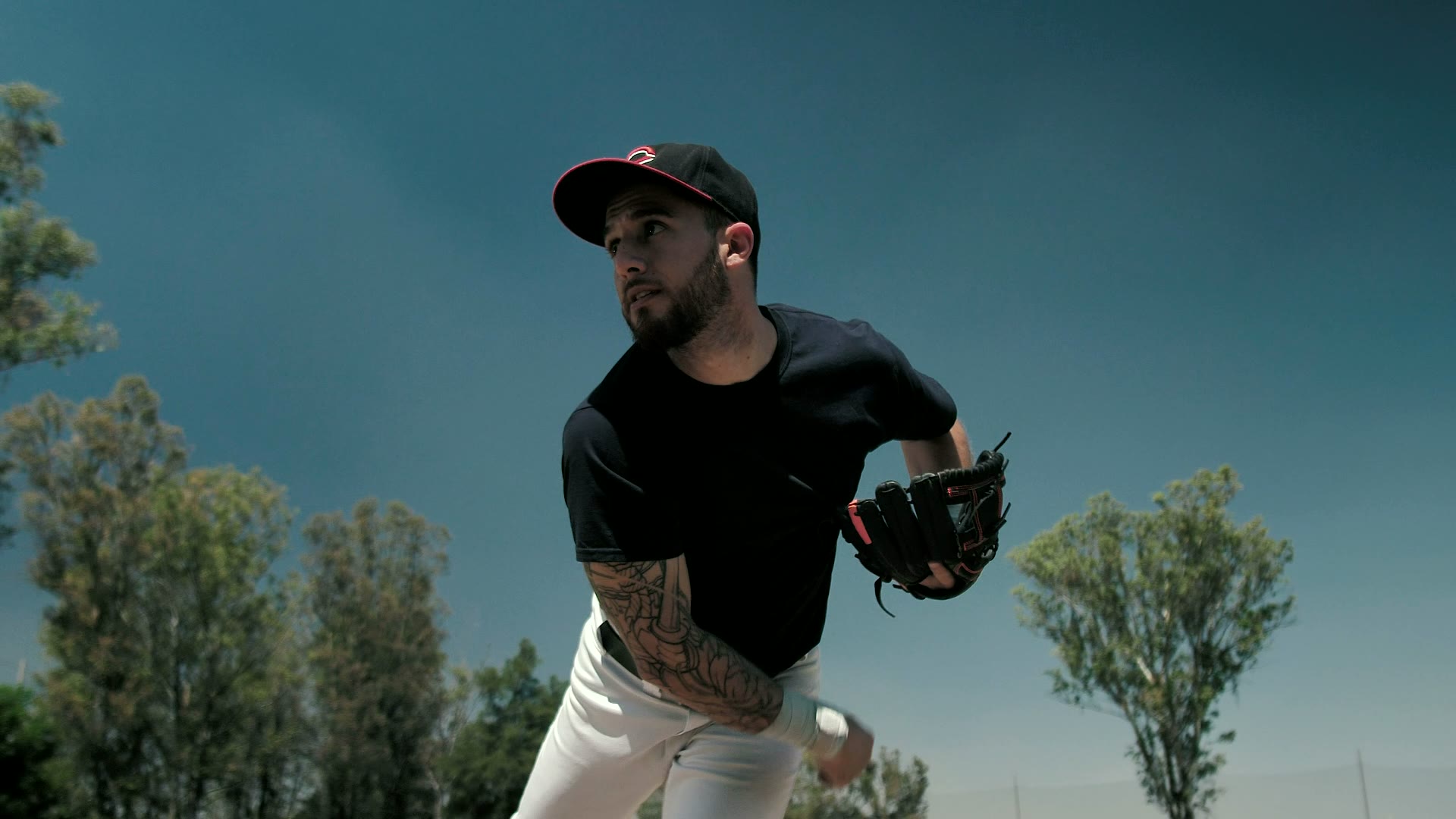
Good baseball pitching lessons build a delivery that holds up pitch after pitch and season after season. Coach Cinz has spent over 25 years in baseball as a player or coach. For the five years before the pandemic, he was a hitting, fielding and pitching instructor with the Chicago White Sox organization, working mainly with pre-draft players in the local area. He teaches pitching through three lenses: movements, mechanics and, most importantly, timing.
In a typical lesson, a pitcher works through the delivery in order:
- Balance: a stable leg lift that sets up everything after it.
- Break and dangle: separating the hands with a relaxed arm so the throwing arm is never rushed.
- Stride: the direction and length that carry the body toward the plate.
- Arm action: a clean path that lets the arm follow the body instead of leading it.
- Follow-through: a full finish, so the whole body, not just the arm, slows the throw down.
Timing ties these pieces together. When the legs, trunk and arm fire in sequence, speed and command tend to improve together. For players chasing velocity, our guide on how to throw harder safely explains why mechanics always come first.
Pitching is also a mental job. Coach Cinz works on confidence, mindset and consistency, so a pitcher knows how to reset after a walk and attack the next hitter.
How do pitching lessons work at Coach Cinz Baseball?
Every athlete starts with the free Benchmark Process. It keeps lessons focused on the pitcher's own goals instead of a one-size-fits-all routine.
- Share your goals. The athlete answers a short set of goal questions online at Benchmark Step 1.
- Measure the starting point. Current metrics are measured with the coach, so everyone knows where the athlete stands.
- Get a plan. Coach Cinz builds a plan around those goals, and every lesson works toward it.
Parents often tell us they appreciate that he explains the “why” behind each adjustment. A pitcher who understands why a stride change matters is far more likely to keep it when the game speeds up.
Early sessions usually focus on balance and stride direction, then move to arm action, command and pitch mix as the delivery settles. Between lessons, athletes get simple homework. Our list of backyard pitching drills for kids is a good place to start.
Every athlete who books training also gets a Play 2 Earn Sports player profile to track stats, goals and progress.
Are baseball pitching lessons safe for kids?
They should be, and arm health is part of every plan we build. We recommend that families follow the MLB and USA Baseball Pitch Smart guidelines for age-appropriate pitch counts and rest. Rather than quoting numbers that can change, we point parents to the current Pitch Smart recommendations and help them apply them across school, travel and rec seasons.
A few simple rules guide every lesson:
- Mechanics before velocity. Efficient movement spreads the work across the whole body.
- A sore arm rests. If a pitcher reports soreness, the throwing stops for the day.
- Pain is never coached through. For pain or injury, see a doctor or athletic trainer.
- Variety matters. Young pitchers benefit from playing other positions and other sports, not just pitching.
Wondering whether your child is ready? Read our take on what age a kid should start pitching lessons, including what pitching lessons for 10 year olds usually look like.
Private pitching lessons or a pitching clinic: which is better?
Both work, and many players use both at different points in the year.
Private Lesson ($65, 30 minutes). One-on-one time lets Coach Cinz focus on a single delivery. It is the best fit for fixing a specific flaw, sharpening command before a season, or working on a new pitch. Lessons happen in person in Chicagoland or virtually, and you can book several 30-minute blocks back to back for a longer session.
Pitching Clinic ($204, 1.5 hours). The clinic covers balance, break and dangle, stride, arm action and follow-through. Players start with partner throws, then move to the mound, and the session includes a video breakdown of pitching mechanics. Like every program except the Private Lesson and the Personal Assessment, it has a group option at three times the price, which suits teammates or a small team.
Personal Assessment ($195). Not sure where to begin? The assessment gives a personal opinion of where the athlete stands and is the best first step for many families.
If control is the biggest issue, start with our guide to improving pitching control and accuracy. Families outside the area can also send a clip through our online baseball lessons and video analysis.
Where can I find pitching lessons near me?
Lessons, camps and clinics run at The Play & Thrive Club Naperville, 808 Illinois Rte 59 #120, Naperville, IL 60564, during the off-season and on rainy days. Private lessons can also be held at a location of your choice within the Chicagoland area.
We serve most areas from Chicago to Aurora, including Naperville, Aurora, Plainfield, Bolingbrook, Lisle, Wheaton, Warrenville, Oswego, Downers Grove and the western Chicago suburbs. If you have been searching for pitching lessons near me anywhere in that stretch, you are likely in range.
Families rate Coach Cinz 4.9 stars across 66 Google reviews. Parents describe better mechanics and more confidence, and families with travel teams at the 14U and 17/18U levels describe clear improvement in pitching. You can read more on our reviews page.
How much do baseball pitching lessons cost?
Pricing is simple and listed up front on our programs page:
- Private Lesson: $65 for 30 minutes
- Pitching Clinic: $204 for 1.5 hours
- Personal Assessment: $195
- Video Analysis: $35 to submit a video and get drills back
Pitchers who train regularly can join the membership and save $20 per lesson, with no limit. The Benchmark Process is always free, so the easiest way to start baseball pitching lessons is to answer the goal questions or text 312-493-3067.