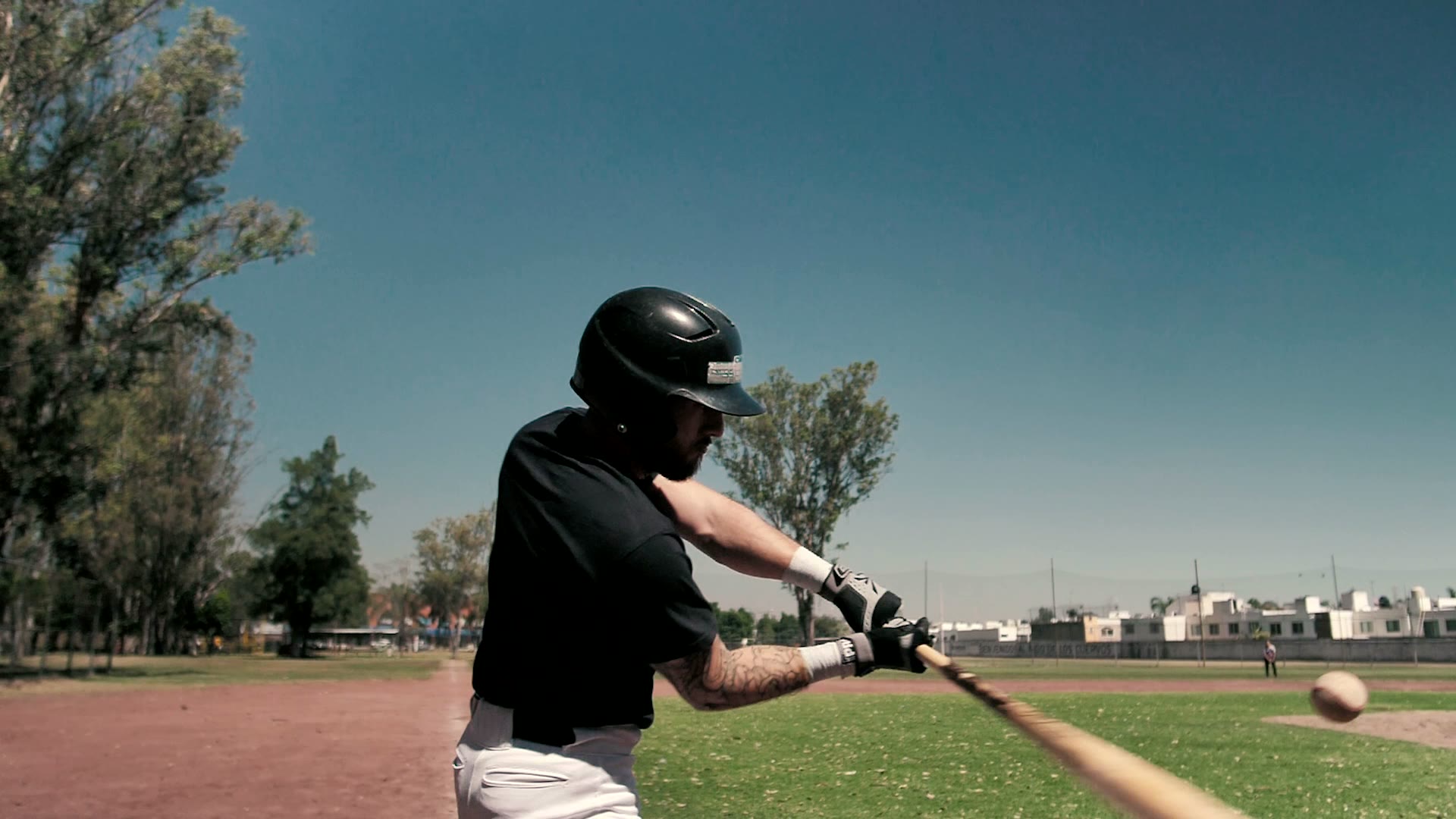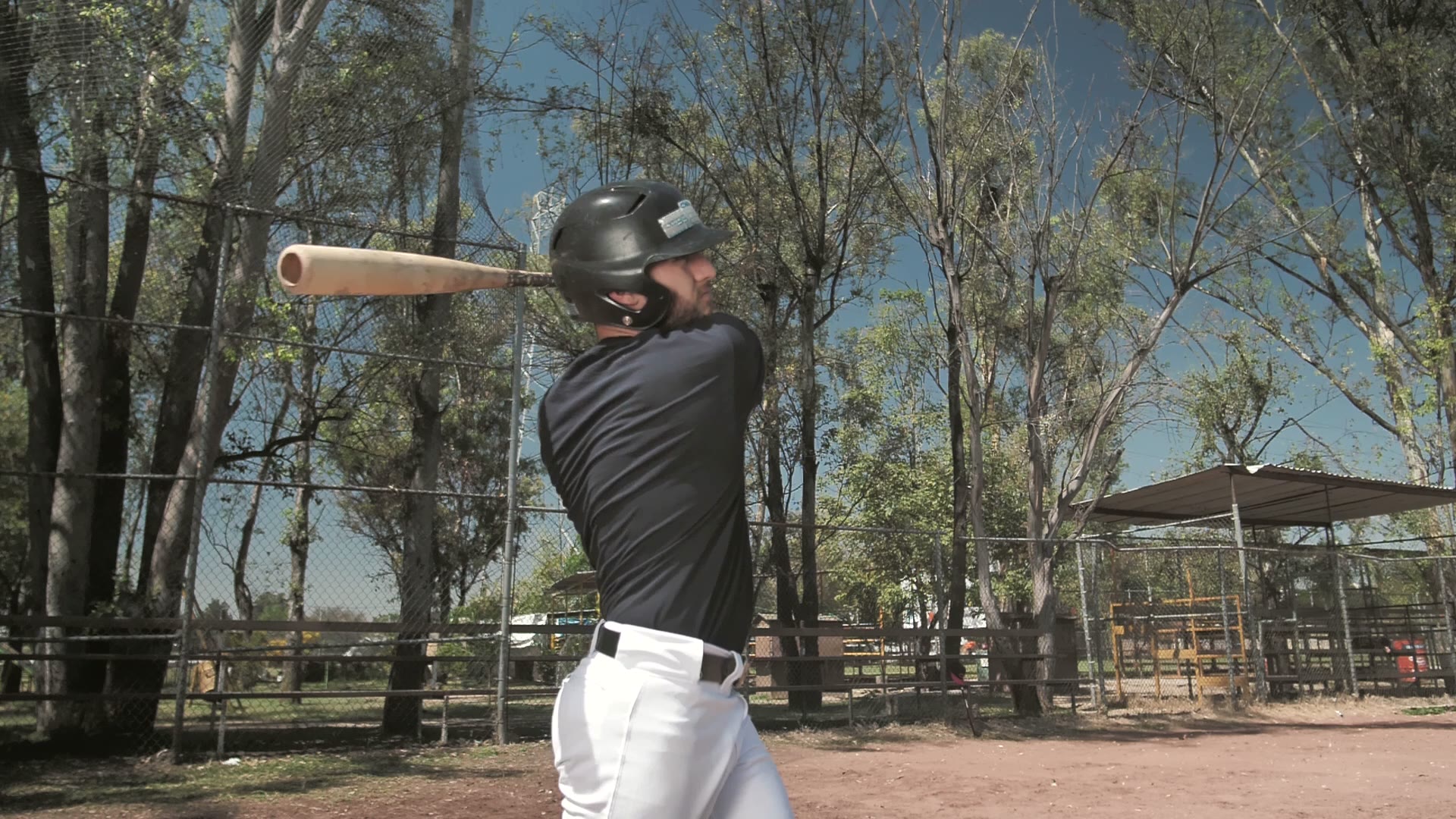


To fix a long swing, shorten the path from the load to the ball: keep the hands close to the body, let the back elbow work down toward the side, and start the turn with the hips instead of pushing the hands out. To fix timing, start the load earlier and get the front foot down before the pitch arrives, so the swing is ready to go.
The two problems often travel together. A long swing takes more time, so the hitter is always late. At Coach Cinz Baseball, timing is the key element of our baseball hitting lessons, and fixing swing length is usually part of that work.
What is a long swing?
A long swing is one where the barrel takes a wide, looping path to the ball. It is sometimes called casting, because the hands push away from the body like casting a fishing line. The barrel travels further, takes more time and often drops below the ball.
Signs of a long swing:
- Lots of foul balls on pitches the hitter should drive.
- Getting beaten by fastballs, especially up and in.
- Rolling over into weak ground balls.
- A swing that looks fine on a tee but falls apart against live pitching.
What causes a long swing?
- Hands first: the hitter starts with the arms instead of the lower half.
- Bat too heavy or too long: the hitter cannot control the barrel, so it drifts.
- Trying to hit for power: swinging harder often makes the swing longer, not faster.
- Starting late: a rushed hitter often lunges and throws the hands out.
Drills to shorten the swing
- Fence or net drill: stand close to a net, facing it, with the bat’s length as your guide. Take slow swings without touching the net. If the barrel casts, it hits the net.
- Two-tee path drill: put a second tee behind the ball tee and swing without hitting it. This rewards a direct path.
- Knob to the ball: in slow motion, let the knob lead toward the inside of the ball before the barrel releases. Then speed it up.
- One-hand drills: top-hand and bottom-hand swings off a tee with a light bat or a choked-up grip build control of each hand.
Many of these can be done in the backyard. See our full list of hitting drills you can do at home or off a tee.
How to fix timing problems
Coach Cinz considers timing the most important part of hitting. A pretty swing that arrives at the wrong moment still produces weak contact. Here is how he approaches it:
Start early, stay ready
Many hitters wait too long to load. Begin the load as the pitcher starts the delivery, so the front foot is down and the hands are set as the ball is released. From there, the hitter can decide quickly.
Time the fastball, adjust to off-speed
Get ready for the fastball. It is easier to hold back on a change-up than to catch up to a fastball. Rhythm toss and change-up toss at home help build this skill.
Keep the stride simple
A big leg kick or long stride takes more time and more coordination. If a hitter is always late, a smaller stride or a toe tap can help, at least while timing is being rebuilt.
Practice against real speed
Tee work alone cannot teach timing. Front toss, machine work and live pitching are where timing is learned. A Hitting Clinic adds swing work in a group setting.
How length, timing and power connect
A shorter swing does not mean a weaker swing. A direct path lets the hitter start later, see the ball longer and still meet it out front, where the barrel is moving fastest. That is also where hard contact comes from. Learn more in how to increase exit velocity in baseball.
Timing affects confidence, too. Hitters who are always late start to feel rushed and anxious. If fear is part of the problem, read how to stop being afraid of the ball at the plate.
Test your timing live
Older hitters who want to see where they stand can try Beat the Coach, for players 16 and older: four charted live at-bats against Coach Cinz, tracked by HitTrax. Get two hits and you get your money back.
Get your swing checked
It is hard to fix a long swing you cannot see. Send a clip for Video Analysis, or book a private lesson so Coach Cinz can find the cause. The free Benchmark Process is the best place to start, and our baseball hitting lessons page explains how training works.